September 8 – December 4, 2026
Radical: [rad-i-kuhl] / ˈræd ɪ kəl /
of, relating to, or proceeding from a root
of or relating to the origin: fundamental
very different from the usual or traditional
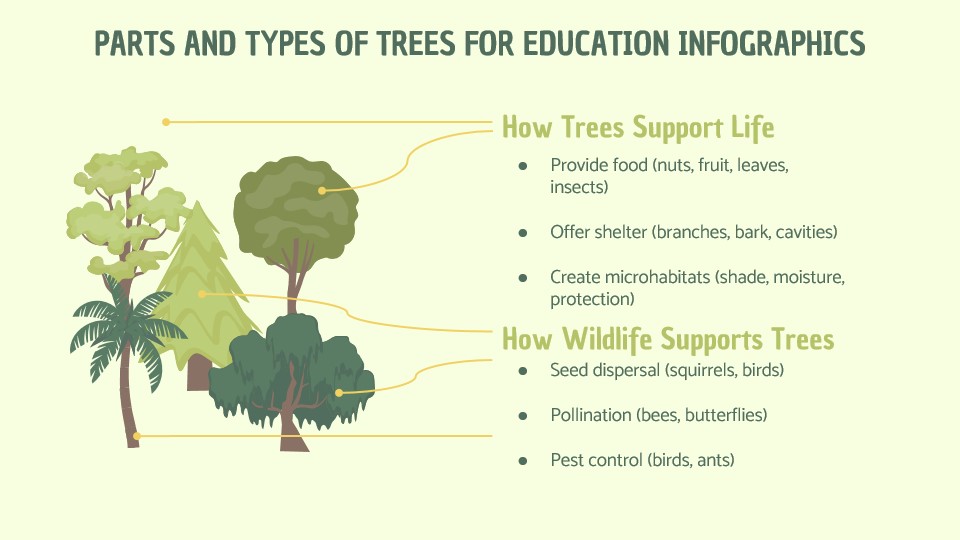
Trees in healthy forests grow as a vast community of mutual care and interdependence known as the Wood Wide Web. Forestry scientists once believed trees and other plants only competed for resources. Consequently, after tree harvesting, reforestation efforts focused on eliminating competition by clearing ground of all vegetation and planting one species in rigid lines.
A study published in 1997 showed that varied species growing together in a range of life stages connect through fungal and bacterial networks allowing them to exchange nutrients. While competition does exist, so does cooperation and mutuality, strengthening the entire forest.
As a campus ecosystem growing in the midst of an urban forest, we too can strive together for community that honors individual experience and ability, mentorship, and mutual growth. Thinking radically, or from the root, we work together to seek the foundations of complex and urgent problems, connecting to one another, and growing our capacity to reach up and branch out in new ways.
In the midst of an increasingly chaotic world, we can root in the radical actions of grounding ourselves and building community.
This exhibition and its programs are made possible by the generous support of the Muriel Koslow Art Exhibition Fund.
Many thanks for the collaboration of the College of Wooster Tree Ring Lab, Professor Greg Wiles, Ross K. Shoolroy Chair of Natural Resources, and Nick Wiesenberg, Lab Technician for Earth Sciences. We appreciate their generosity of time and labor in sharing their research and the holdings of the Tree Ring Lab.
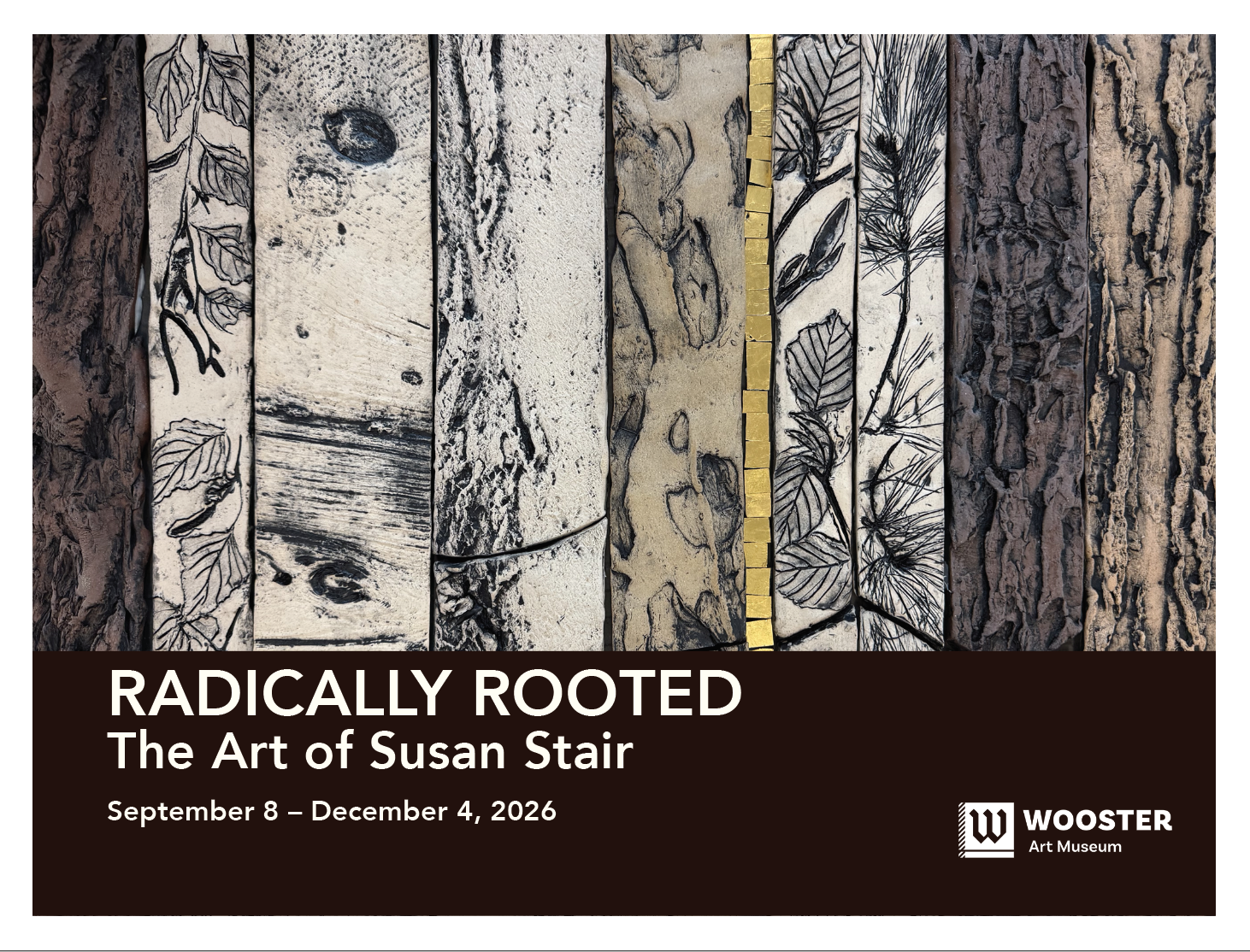
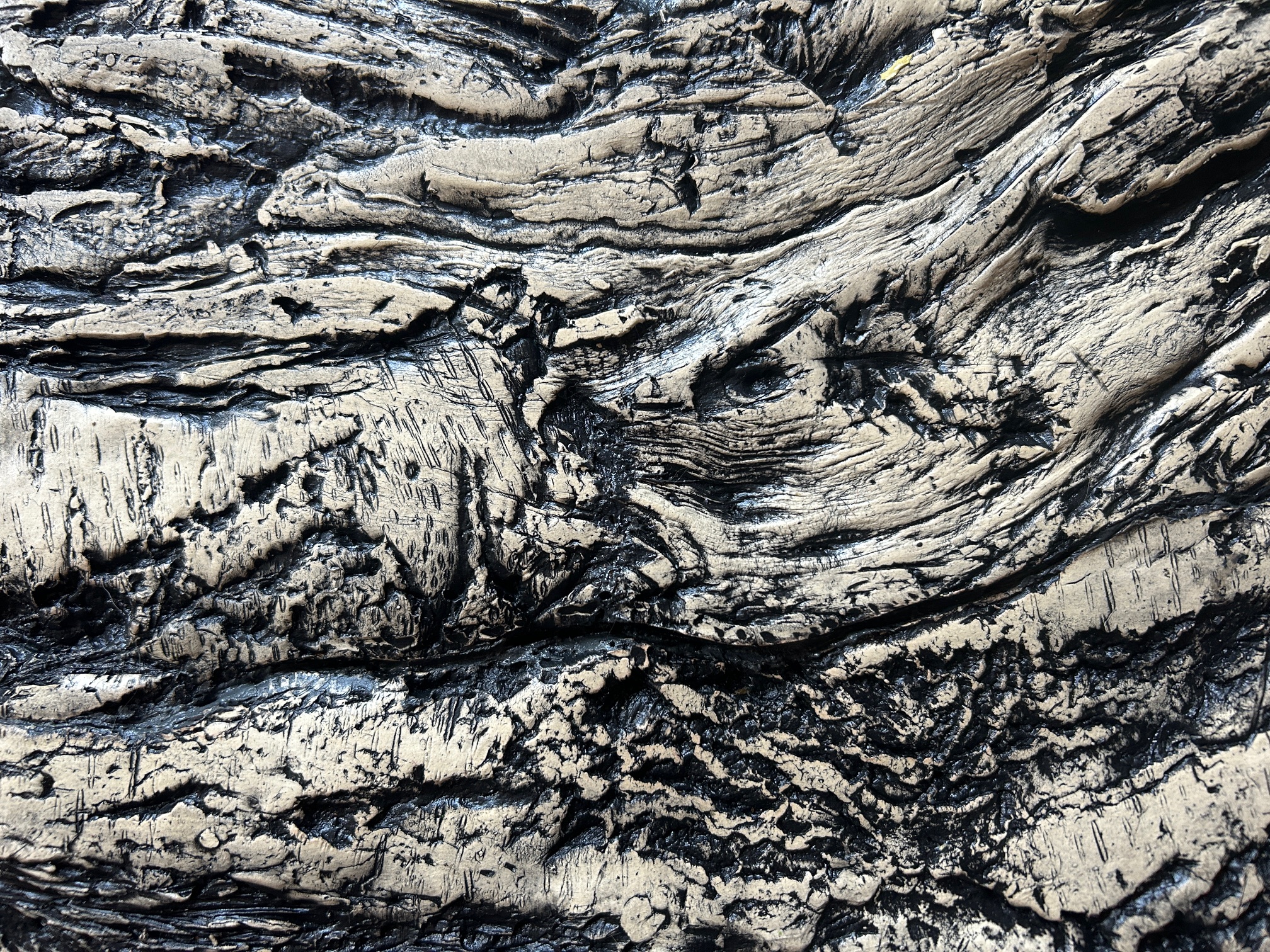
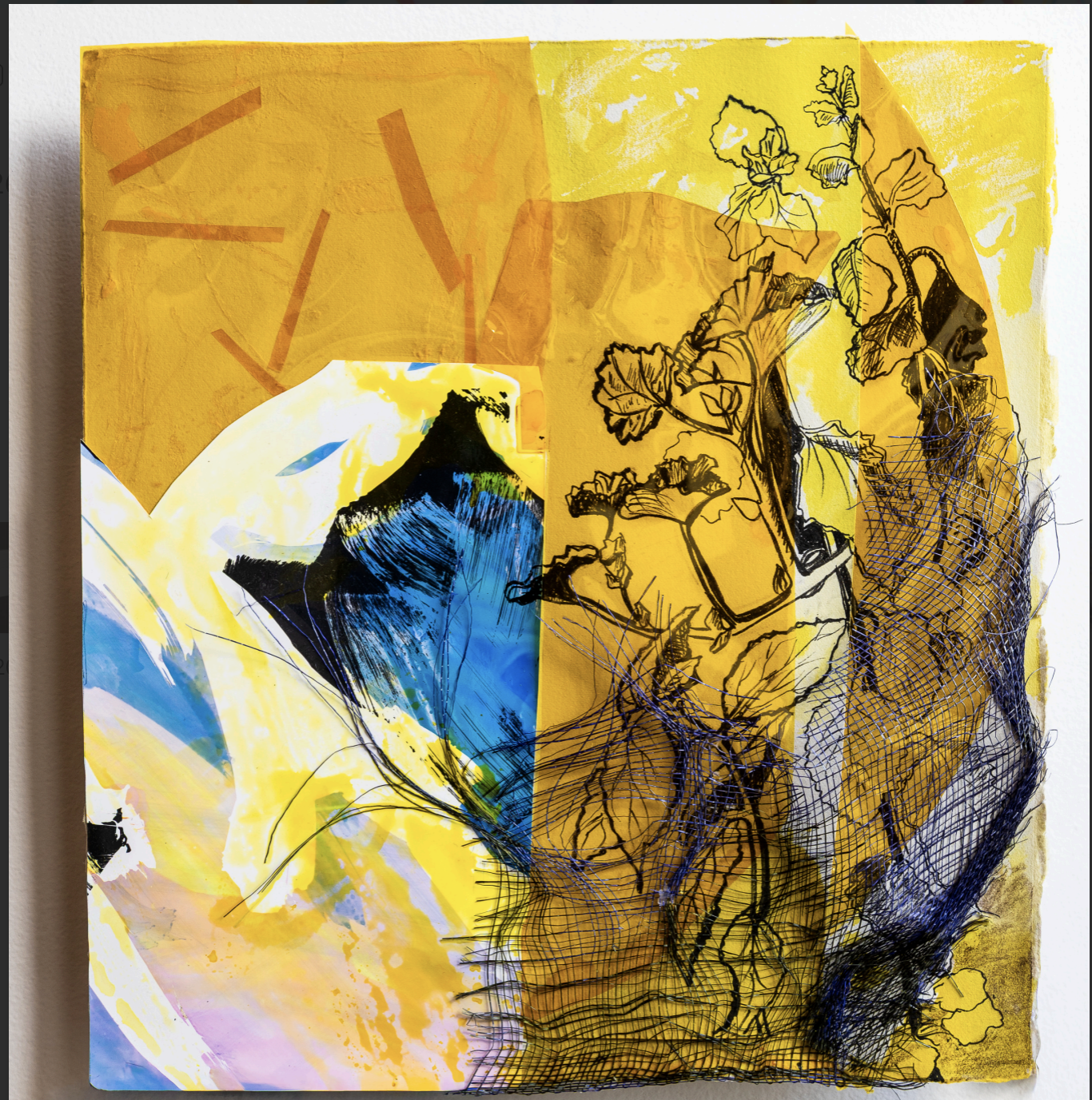
Artist Susan Stair (Wooster ’76) has spent much of her professional life exploring the lessons that trees teach us. She translates the nuance and beauty of each individual and species by capturing impressions of their bark, leaves, flowers, and seeds.
Through public art installations in New York City where she resides, her work considers the way that trees persist and grow even in adverse circumstances. She interprets into visual form the complex scientific discoveries by contemporary biologists of the ways that trees grow, connect to one another, and benefit humankind.
Stair’s work invites us to contemplate trees as biological phenomena, organisms we live alongside, and metaphors for tenacity, resilience, and community.
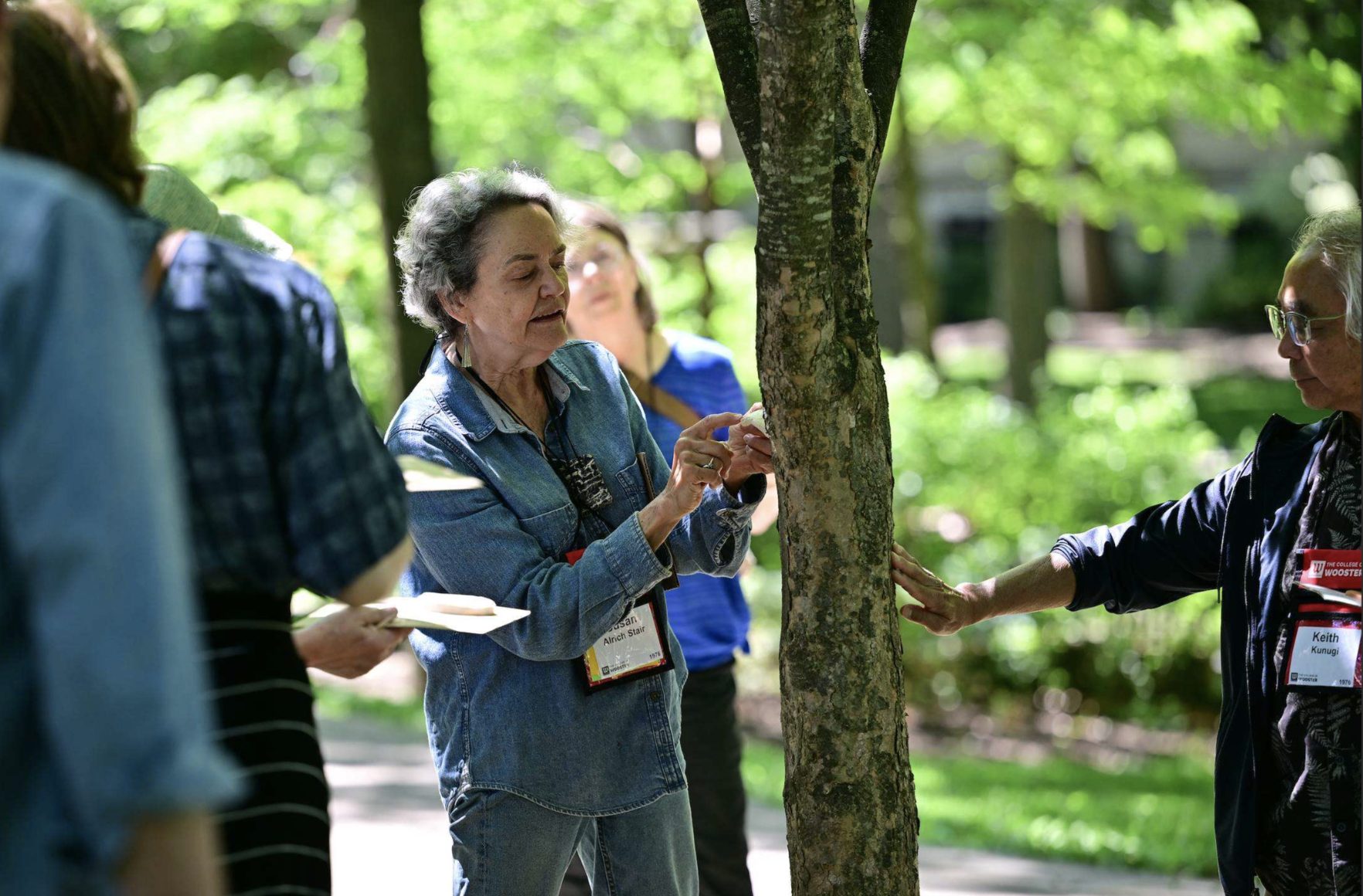
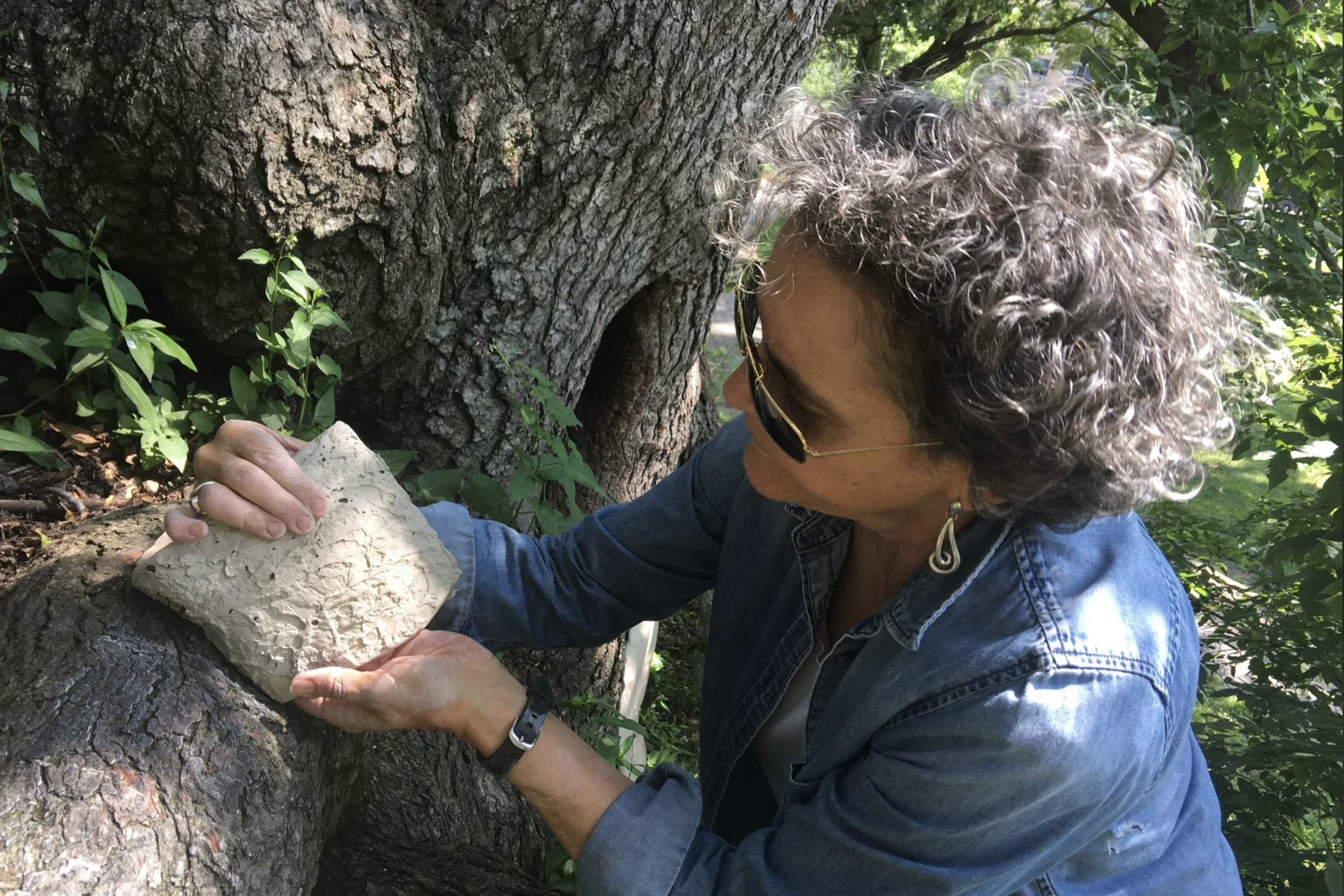
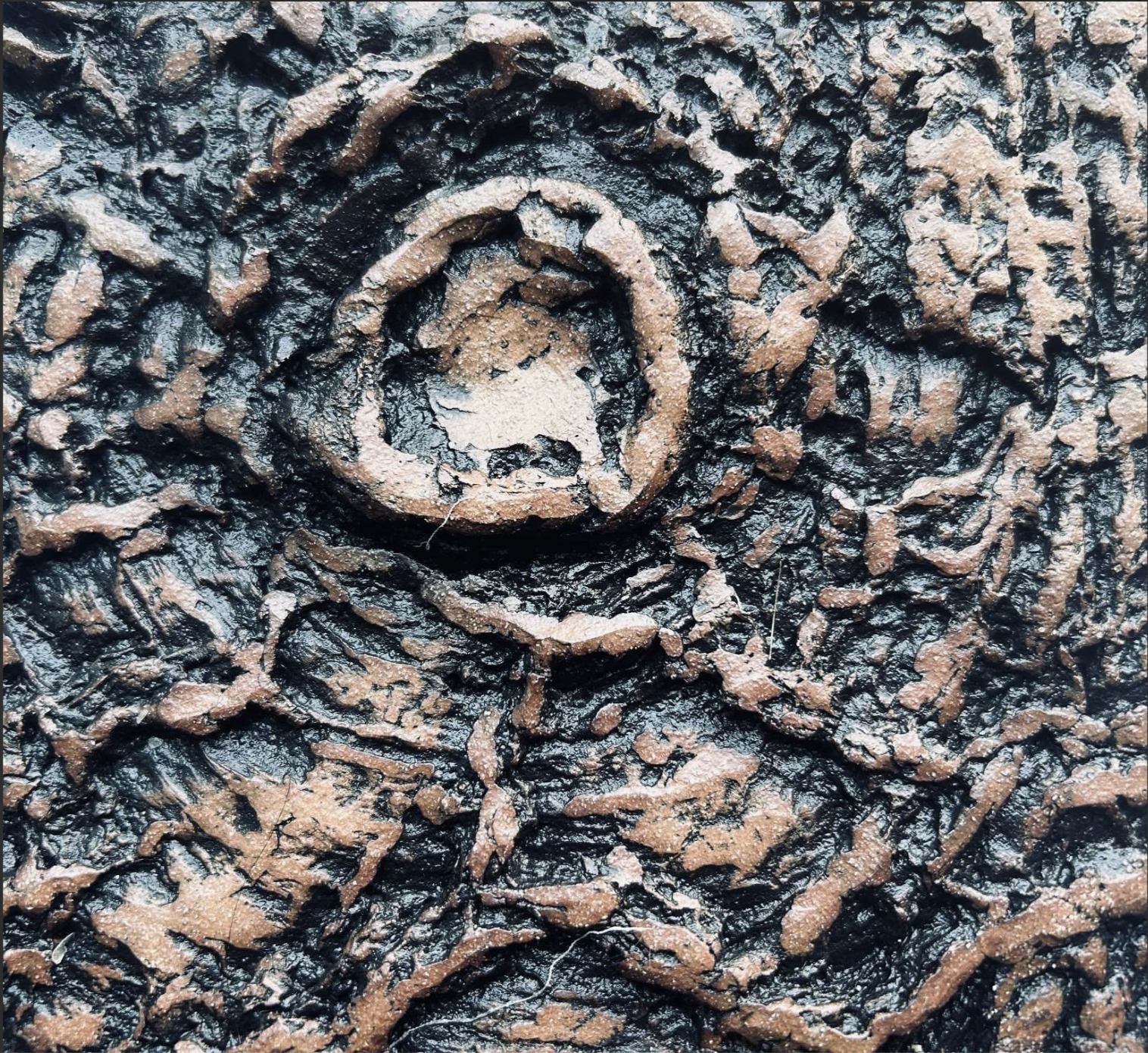
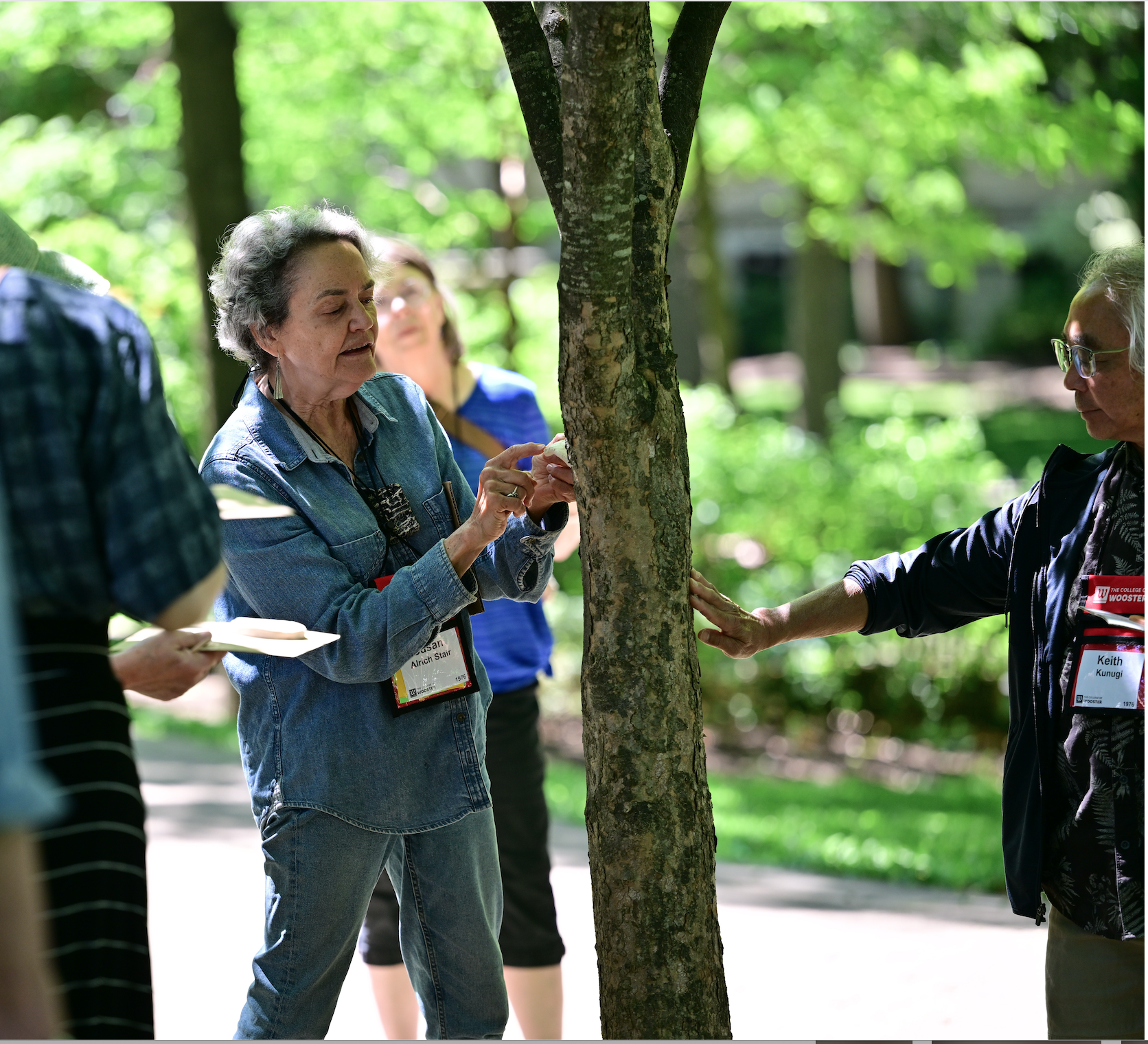
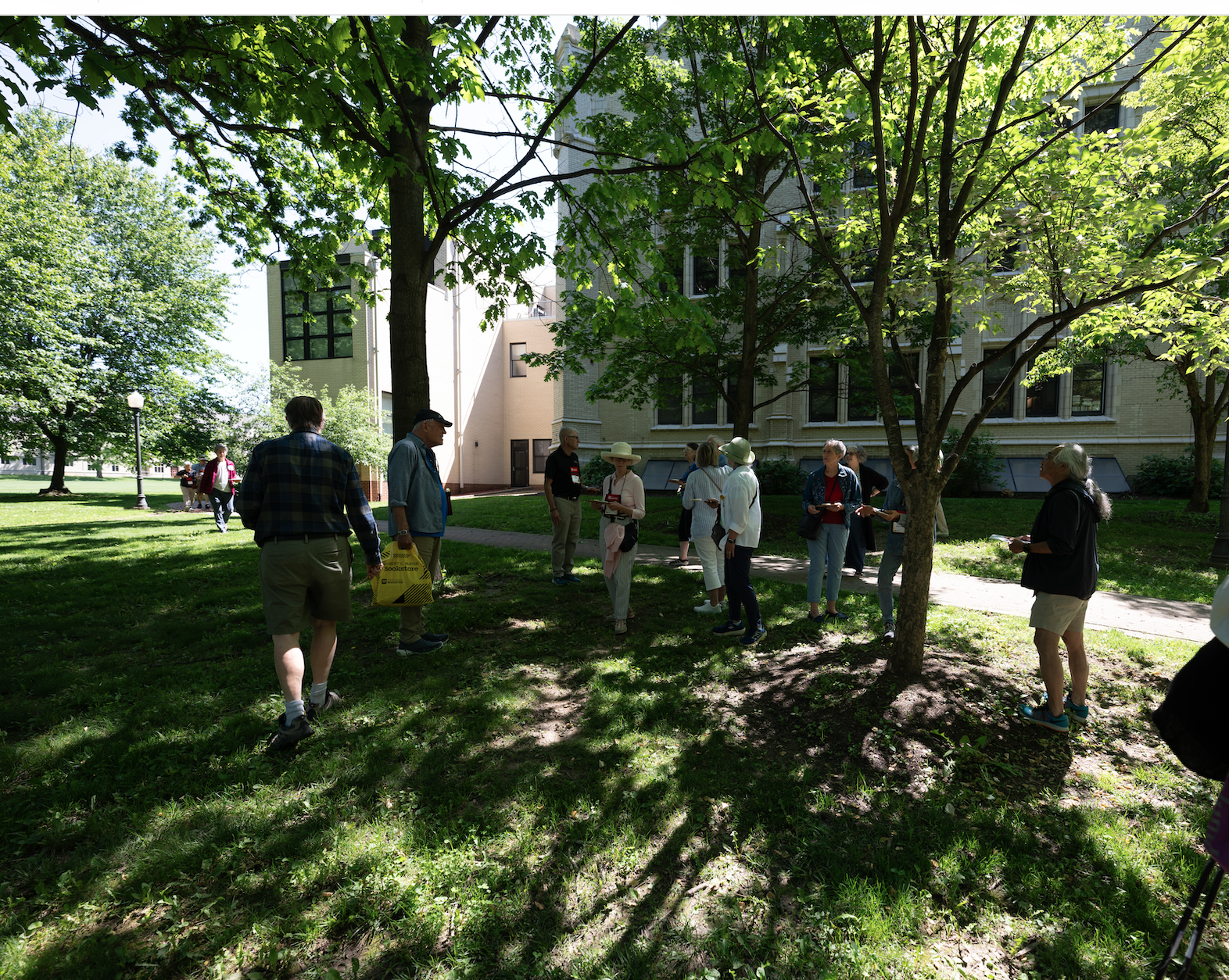
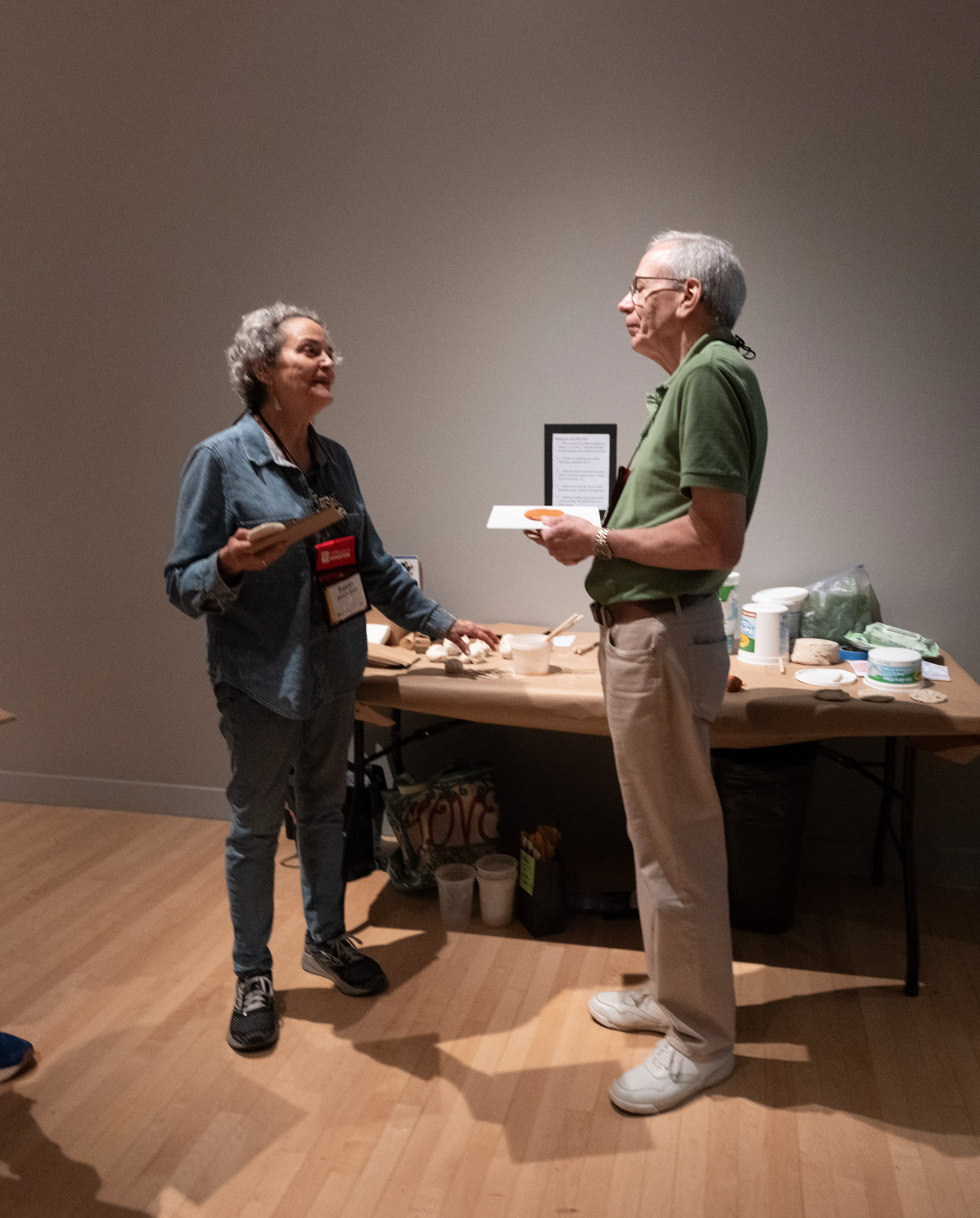
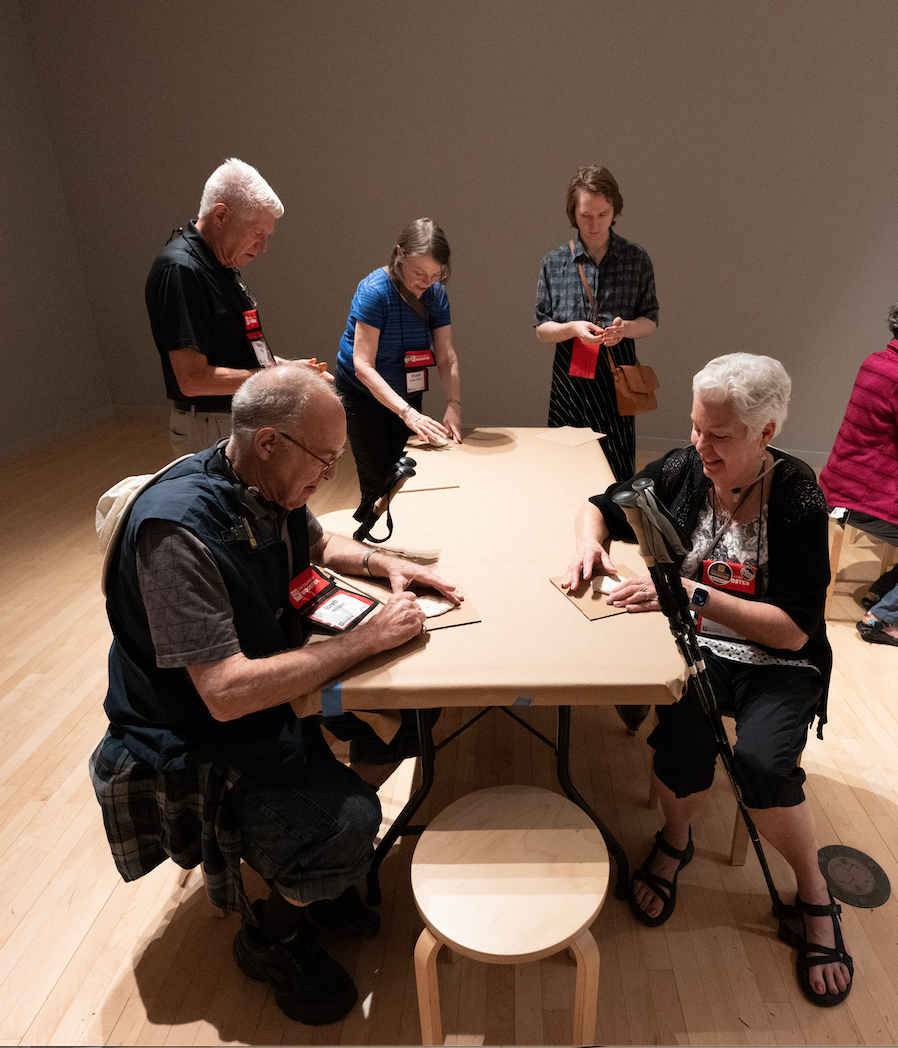
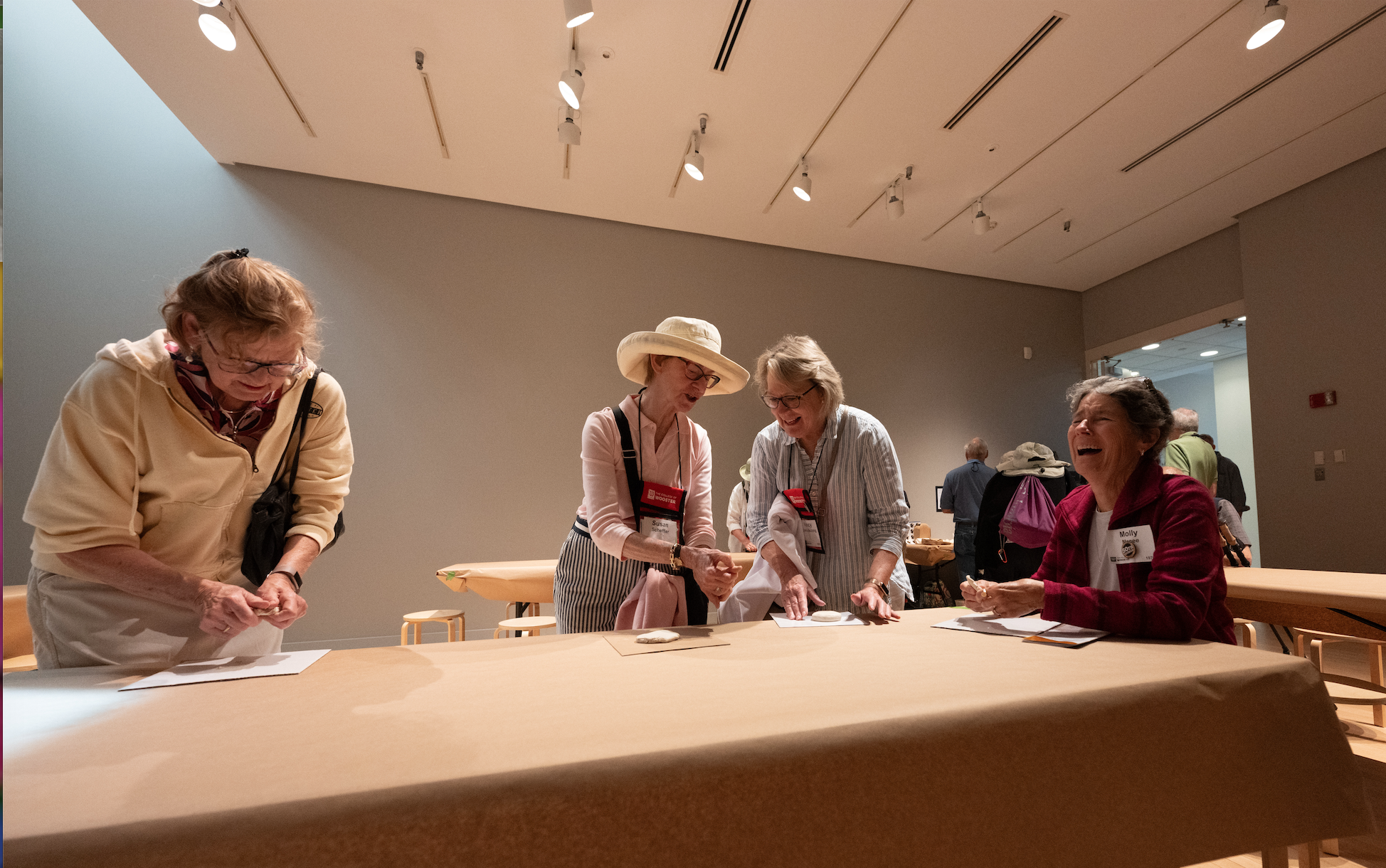
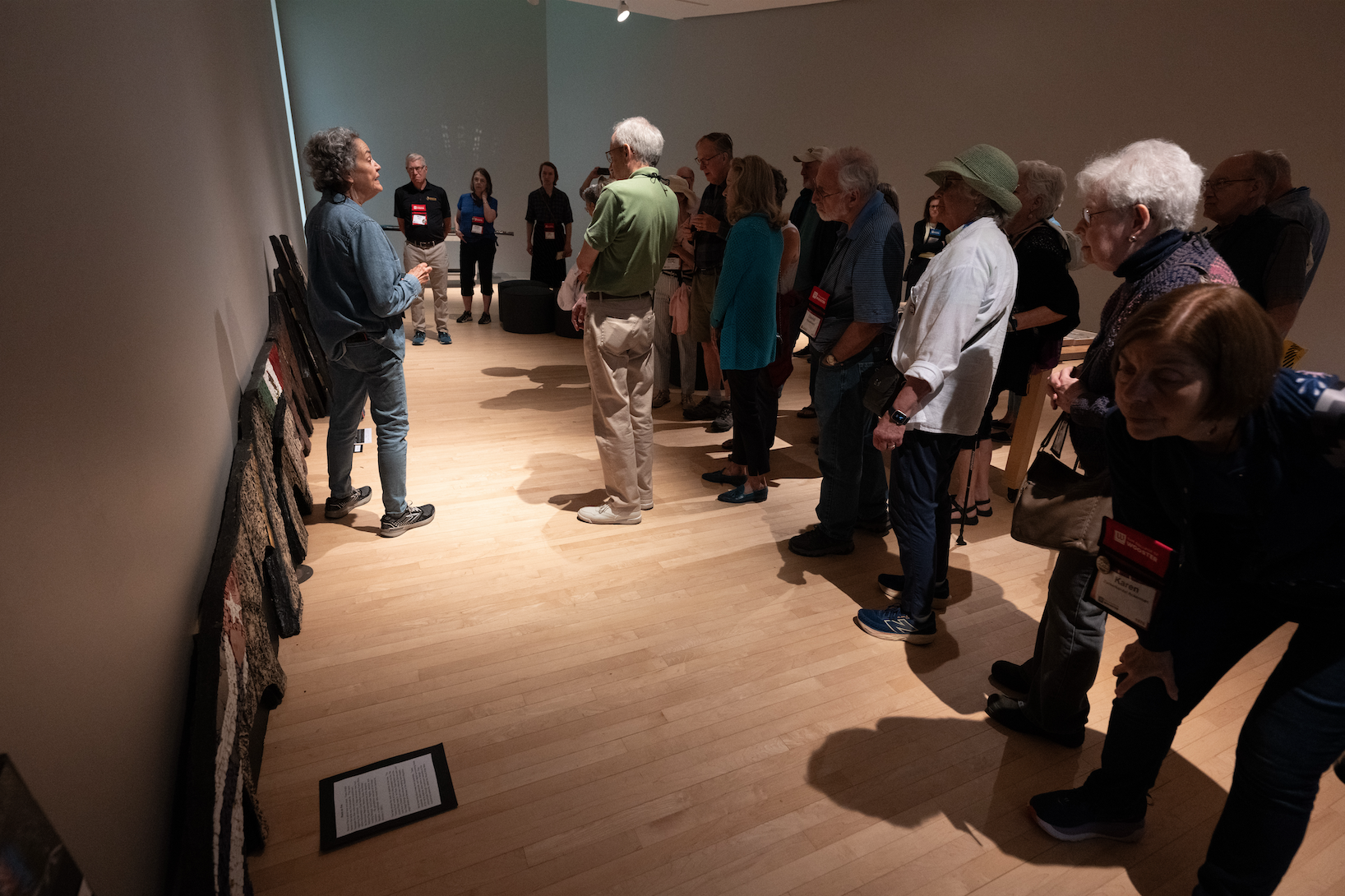
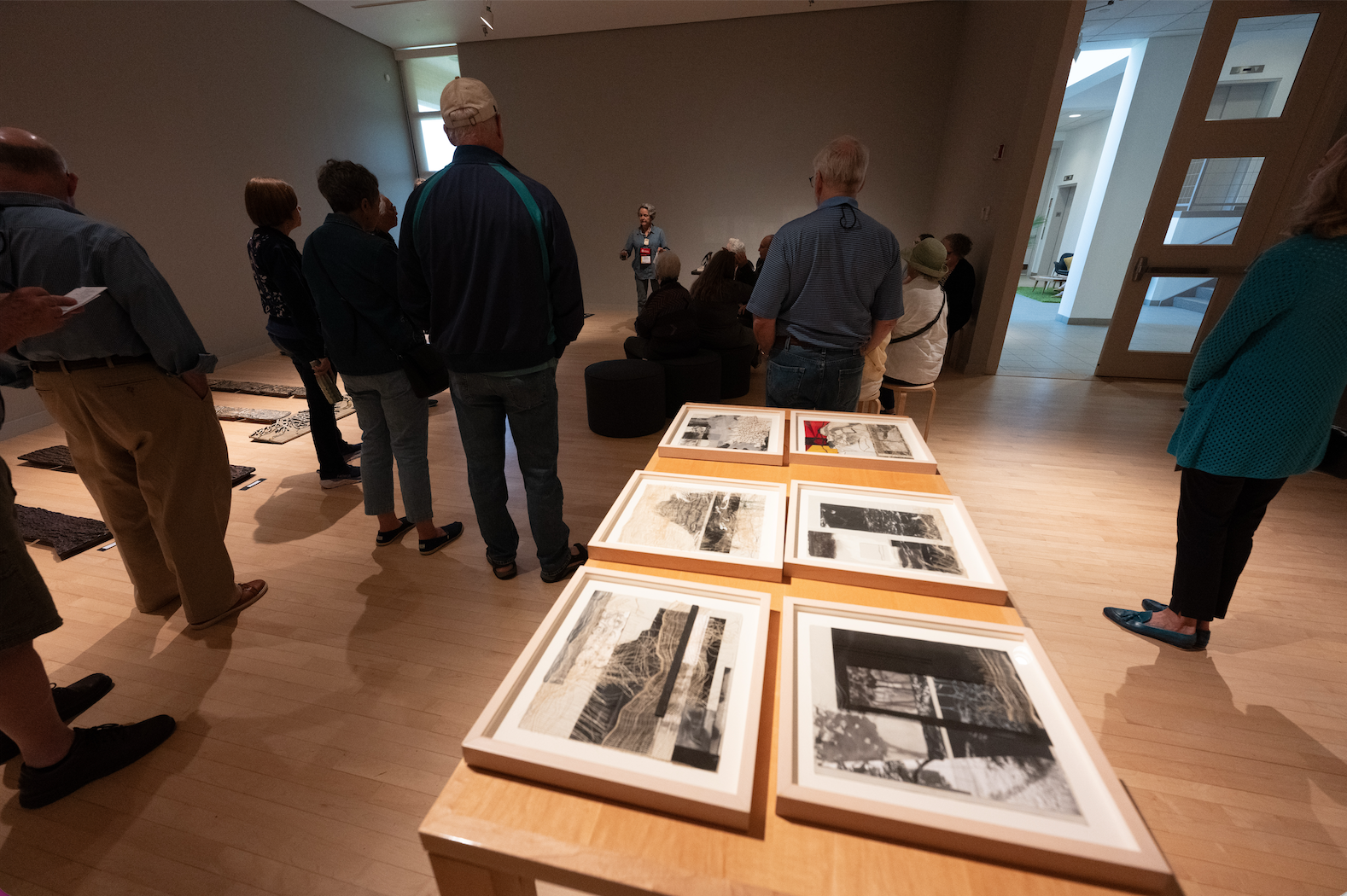
Alumni Workshop with Susan Stair
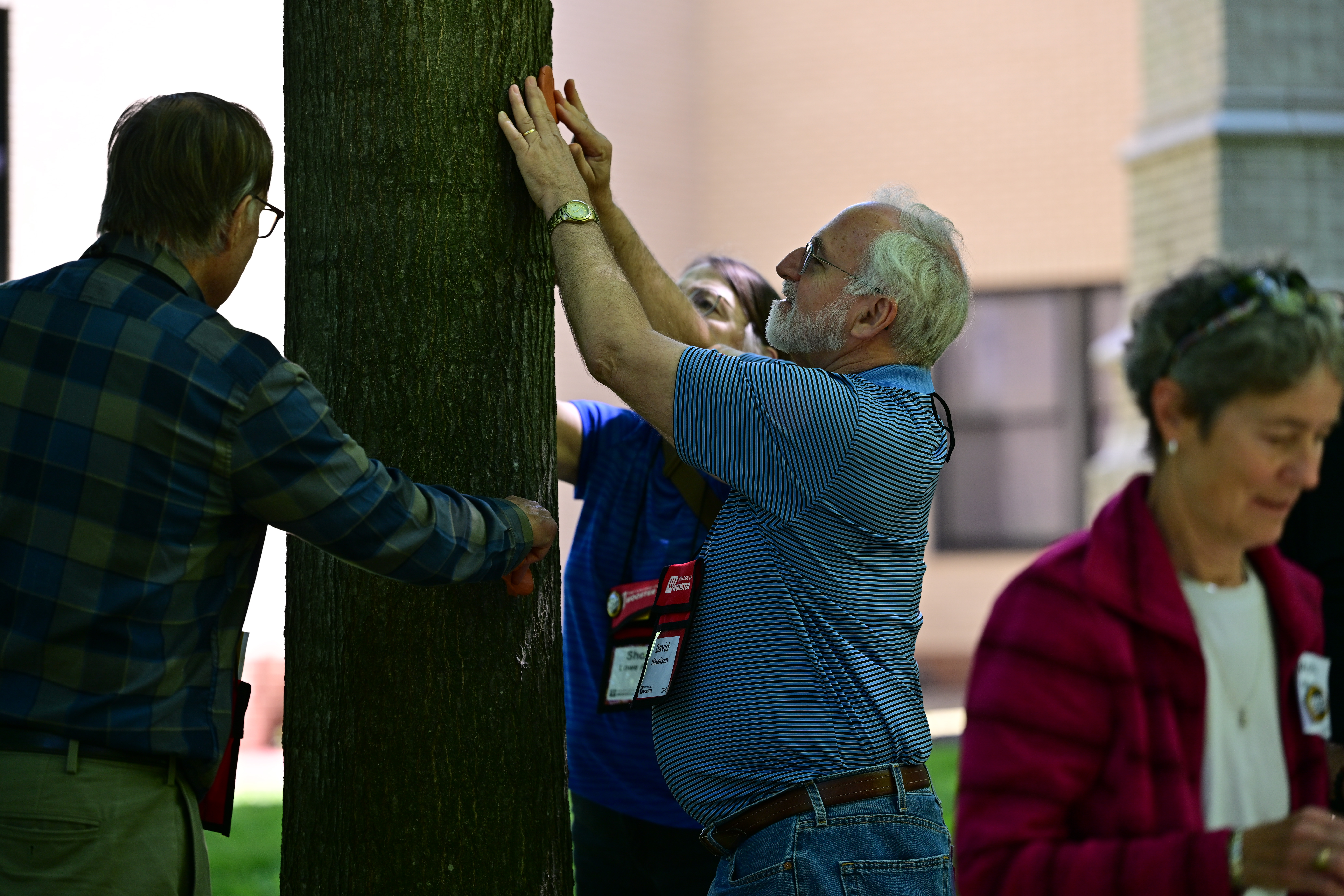
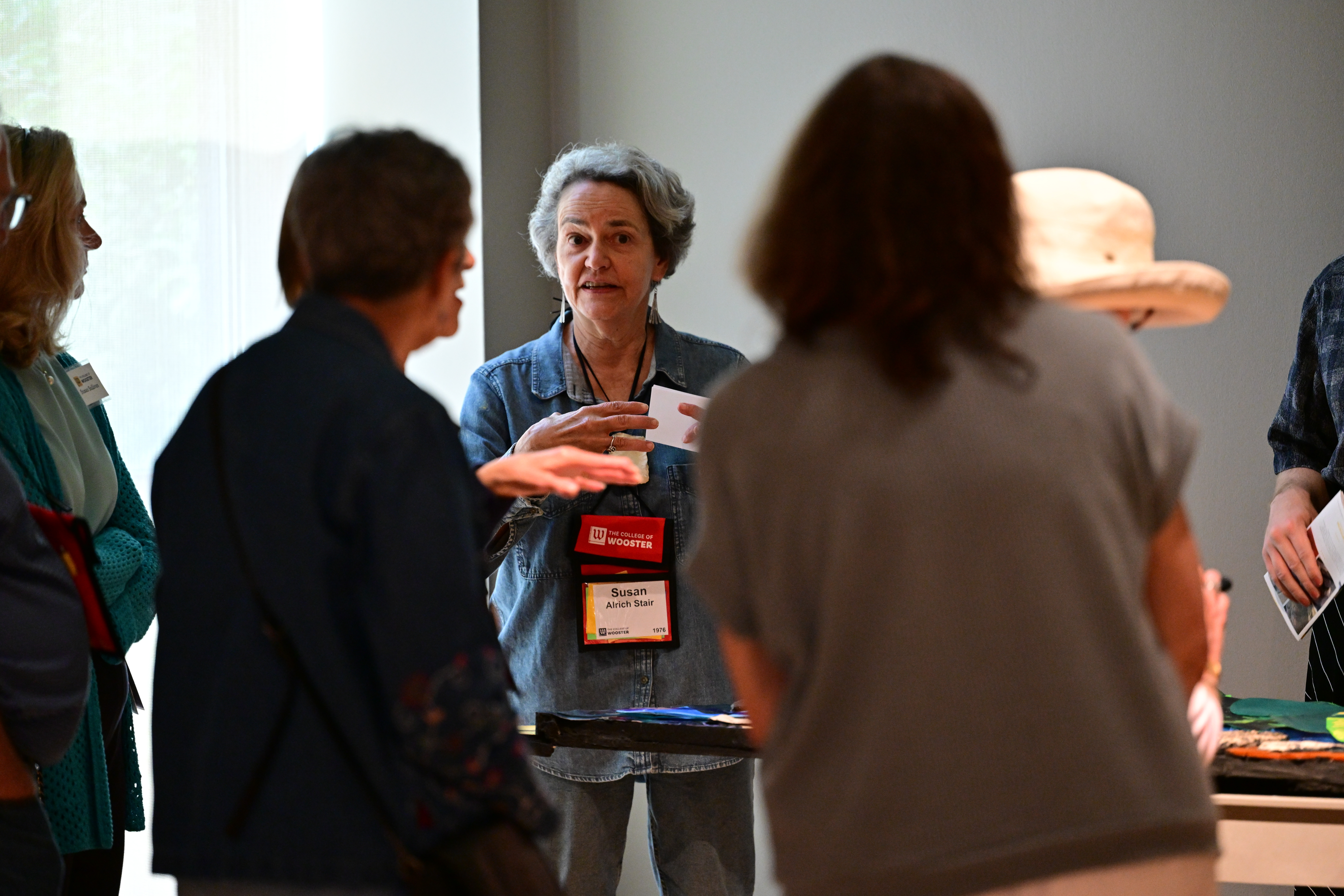
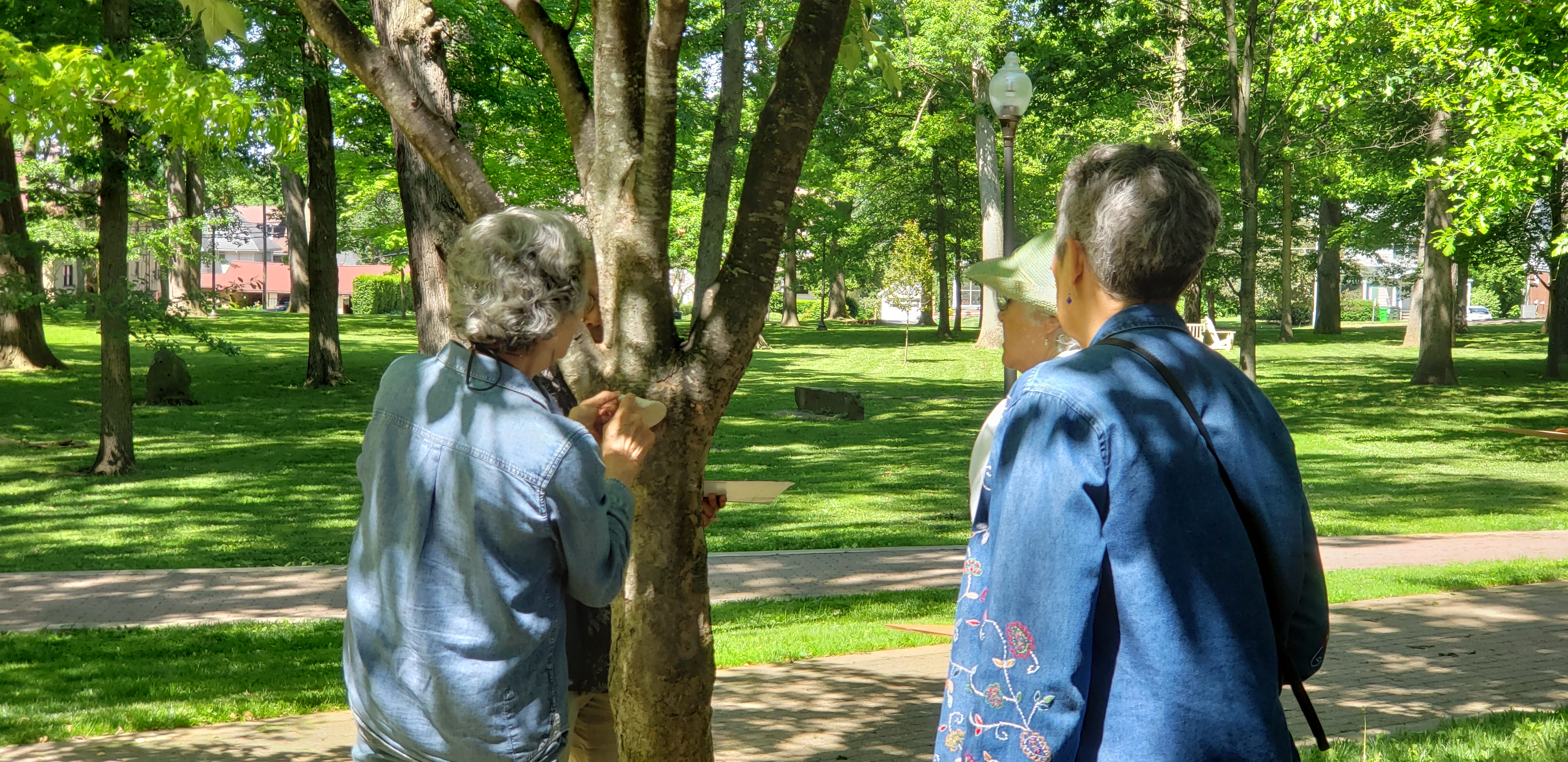
The Tree Ring Lab is a group of faculty, staff, and undergraduate student researchers, founded by Dr. Greg Wiles in 1998 in the College’s Earth Sciences department, who study tree rings and their relationship to climate, geomorphology, glaciers, forest health, historical archaeology, and geology. Research has been conducted by the Tree Ring Lab in Alaska, Ohio, and Russia, and has been supported by the NSF, National Geographic Society and institutional funds. Their work has been presented at conferences and in publication.
The Tree Ring Lab utilizes tree-ring analysis to reconstruct past climate (dendroclimatology) and to date historical structures in Ohio (dendroarchaeology) and with the goal to assemble long tree-ring chronologies from oaks by sampling both living trees and old wood.
Many thanks for the collaboration of the College of Wooster Tree Ring Lab, Professor Greg Wiles, Ross K. Shoolroy Chair of Natural Resources, and Nick Wiesenberg, Lab Technician for Earth Sciences. We appreciate their generosity of time and labor in sharing their research and the holdings of the Tree Ring Lab.
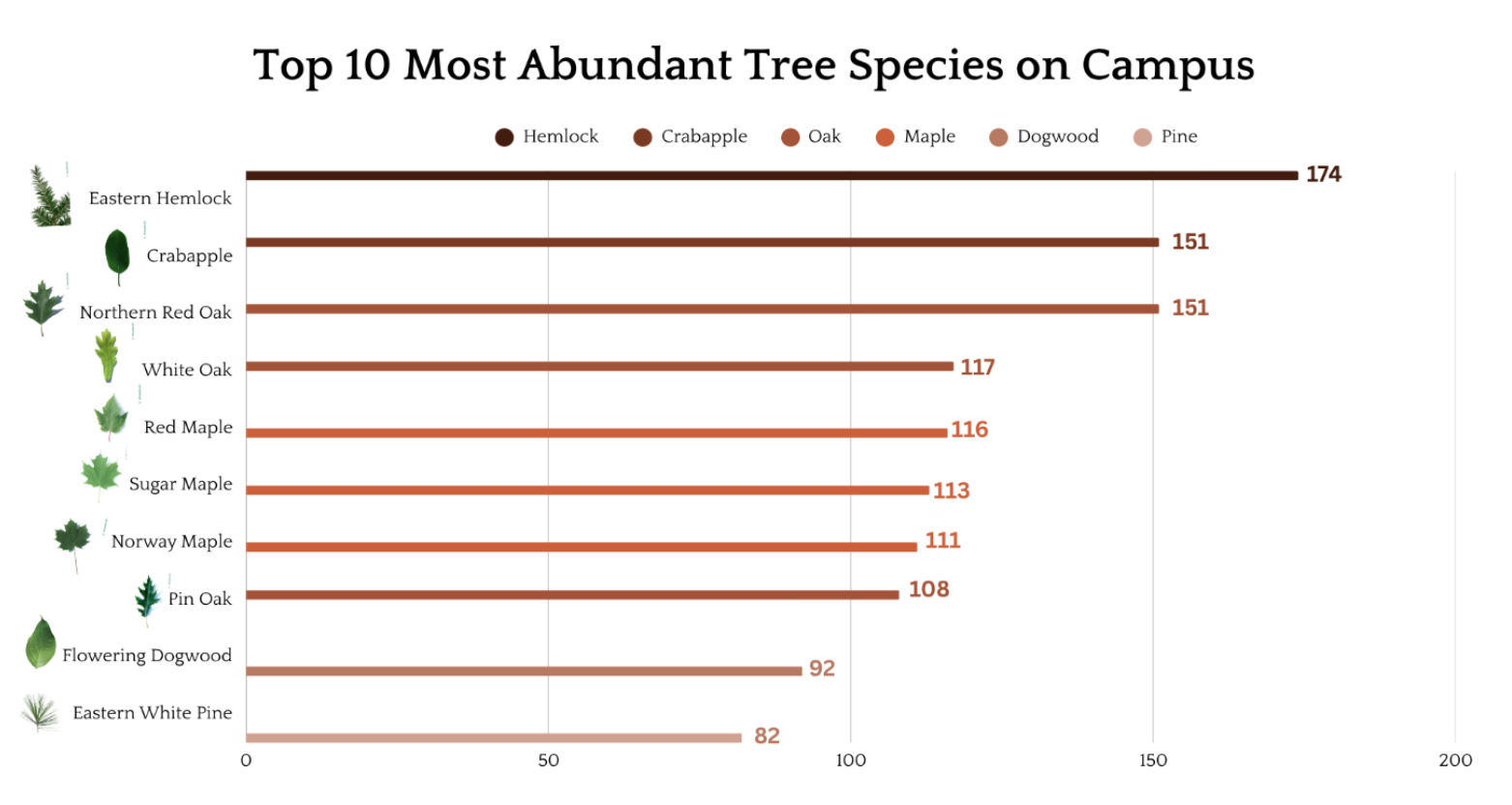
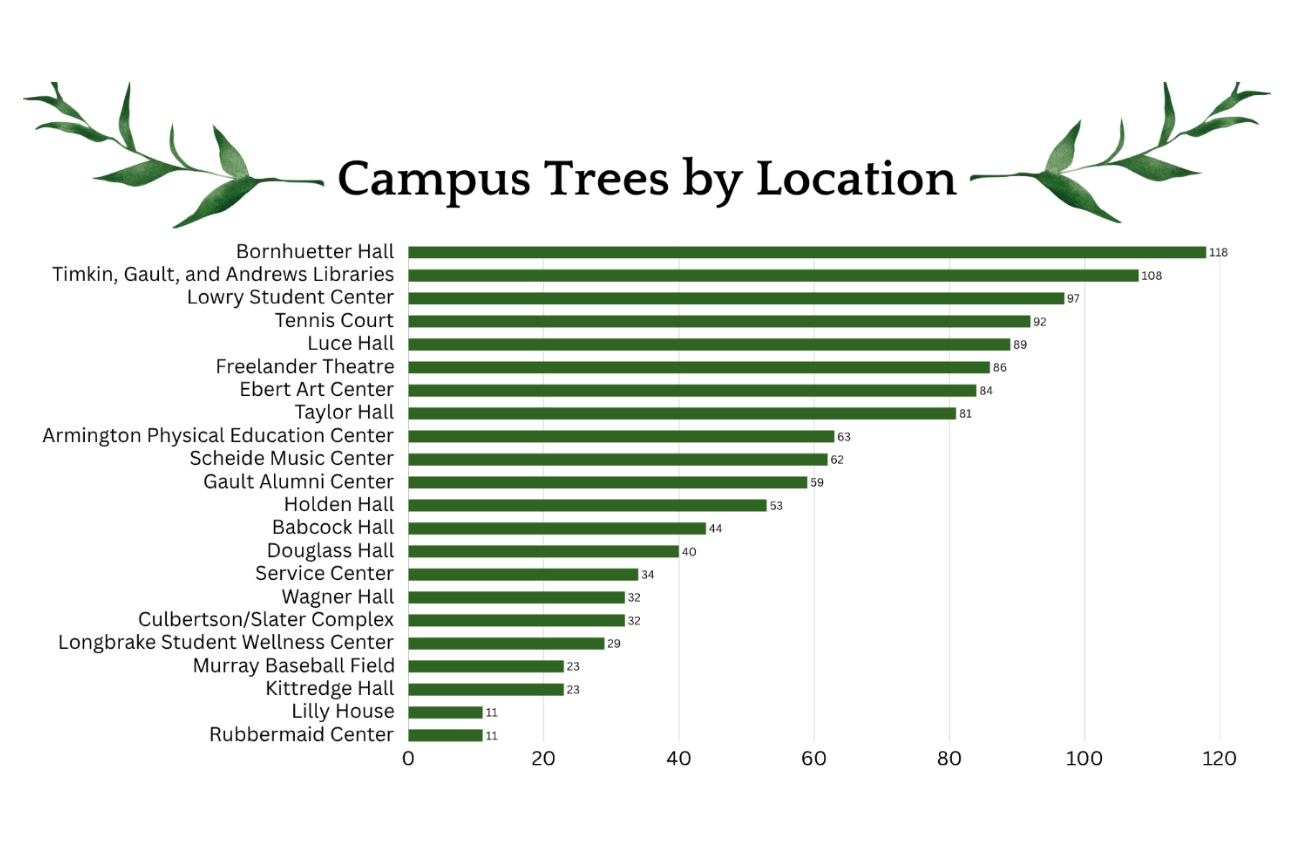
- Eastern hemlock
- Spp. Crabapple
- Northern red oak
- White oak
- Red maple
- Sugar maple
- Pin oak
- Flowering dogwood
- Eastern white pine
- Black gum
- Freeman maple
- Black cherry
- American holly
- American elm
- Eastern redbud
- Honey locust
- Thornless honey locust
- Eastern arborvitae
- Tulip tree
- American sweetgum
- Black oak
- Swamp white oak
- Downy serviceberry
- Green ash
- Black locust
- Washington hawthorn
- American beech
- White ash
- Shingle oak
- Nannyberry viburnum
- Black walnut
- White fringe tree
- Bur oak
- River birch
- Common persimmon
- American linden
- Silver maple
- Common witch-hazel
- Scarlet oak
- Ohio buckeye
- Kentucky coffee tree
- American hophornbeam
- American sycamore
- Slippery elm
- Red buckeye
- Common pawpaw
- Cockspur hawthorn
- Green hawthorn
- Eastern redcedar
- American larch
- Cucumber tree magnolia
- Chinkapin oak
- Sassafras
- Yellow buckeye
- Grey birch
- Common hackberry
- American yellowwood
- Carolina silverbell
- Umbrella magnolia
- Sourwood
- Common chokecherry
- Hybrid oak
- Butternut
- Pecan
- Hydrangea, spp.
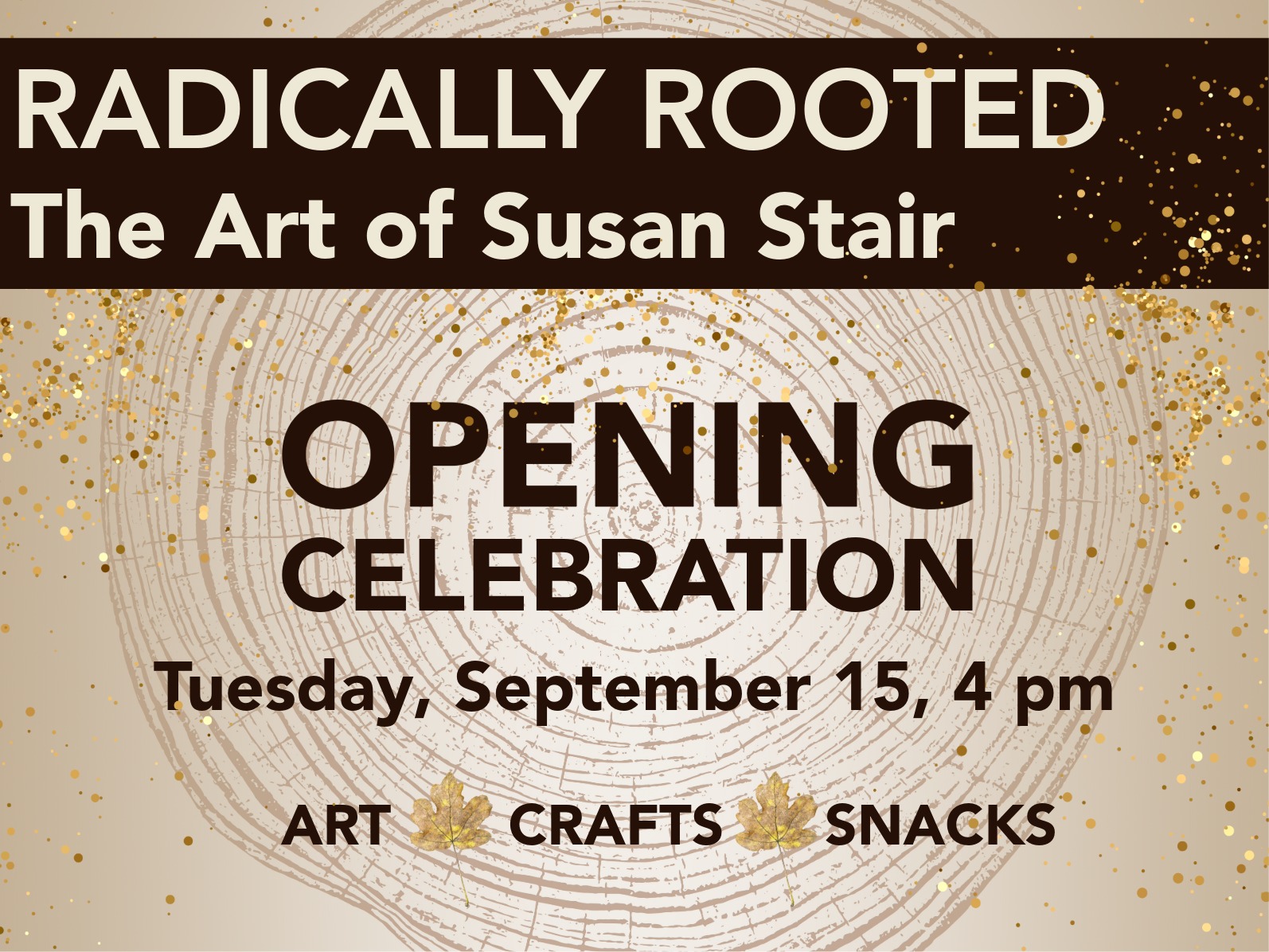
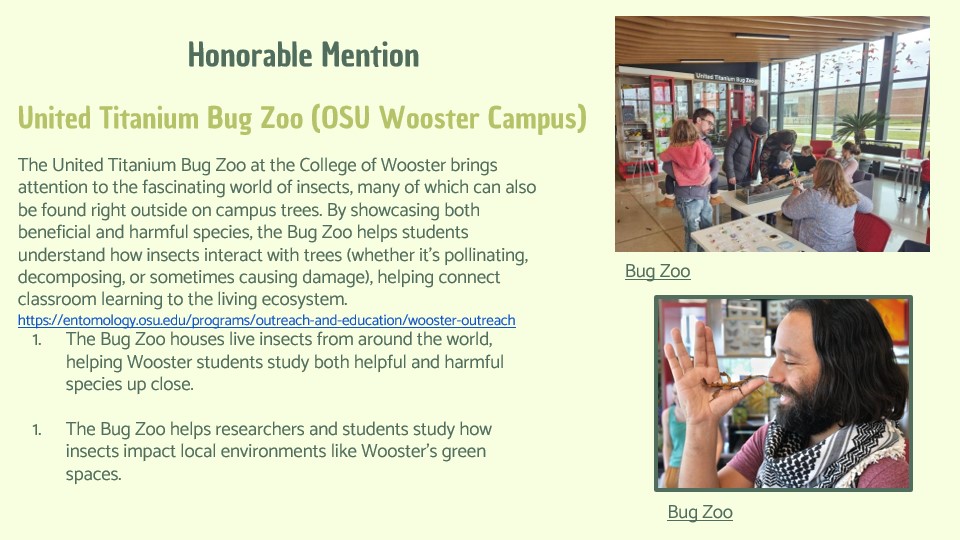
Opening Celebration!
Tuesday, September 15, 4 pm
Ebert Art Center
snacks, crafts, art & fun!
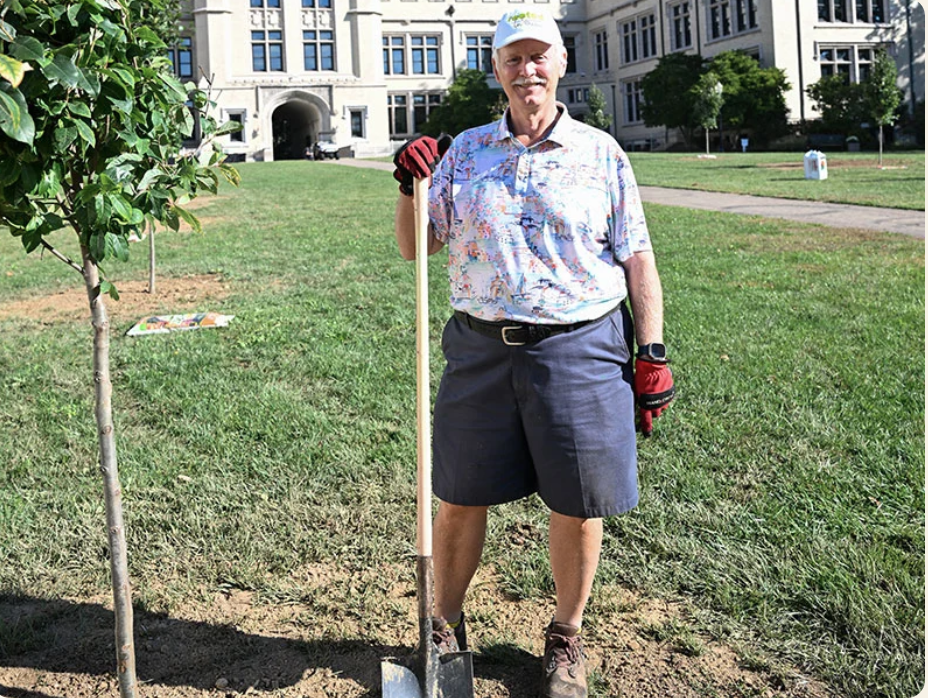
The Abbey Arboretum at Wooster Dedication
Friday, September 18 at 3 p.m
Susan Stair Reception
& Artist Talk
Tuesday, September 22, 4 pm
Ebert Art Center, 223
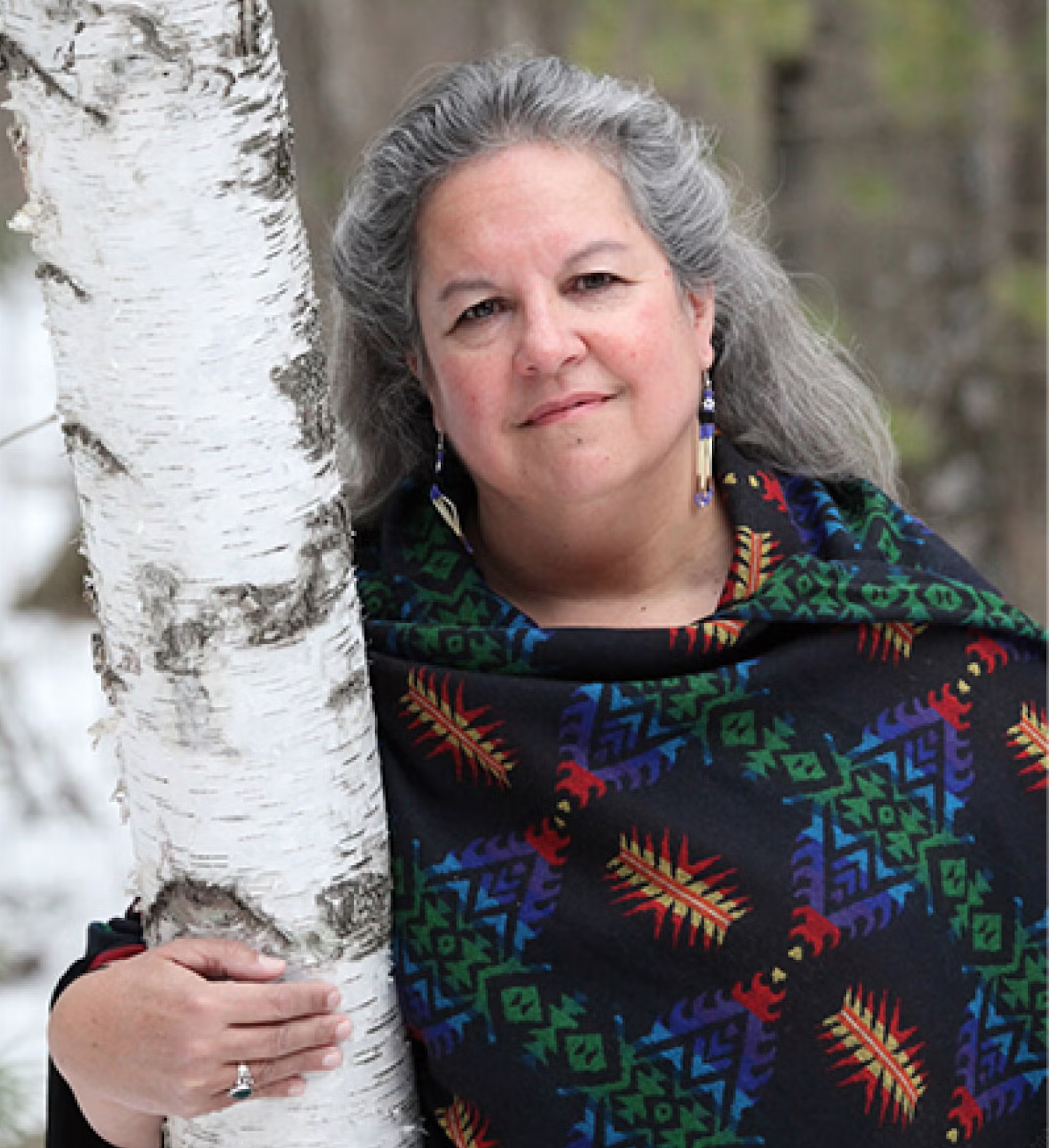
Peter Mortensen Lecture: Robin Wall Kimmerer
Wednesday, November 4, 7 pm
Freedlander Theater
What we are…
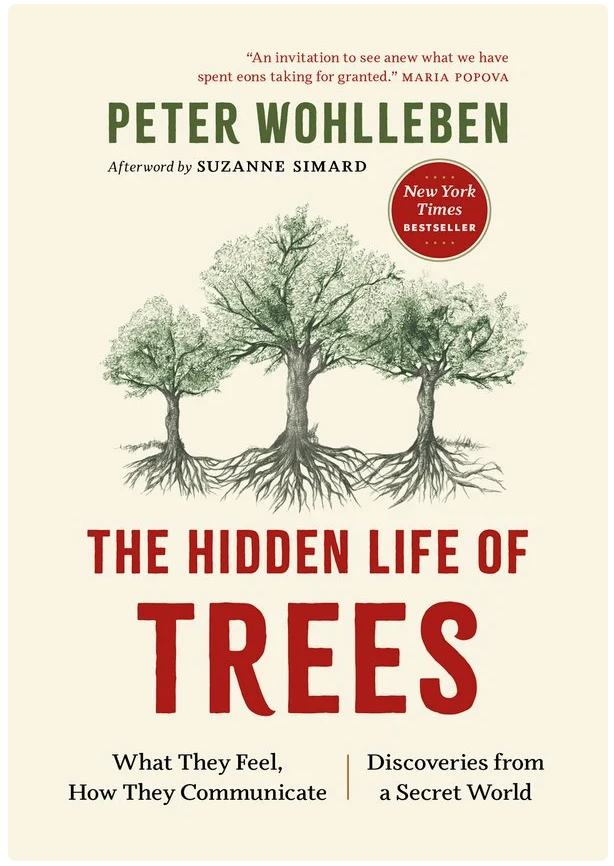
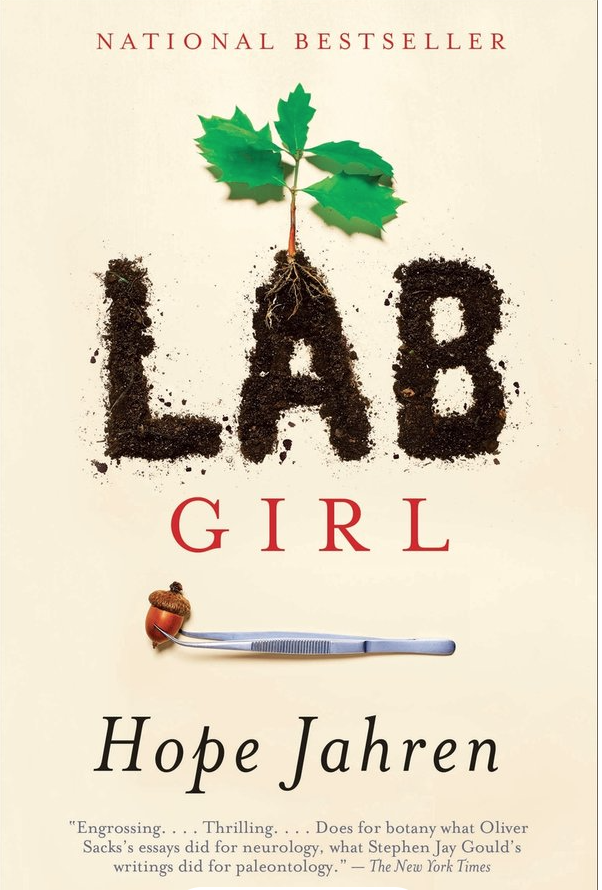
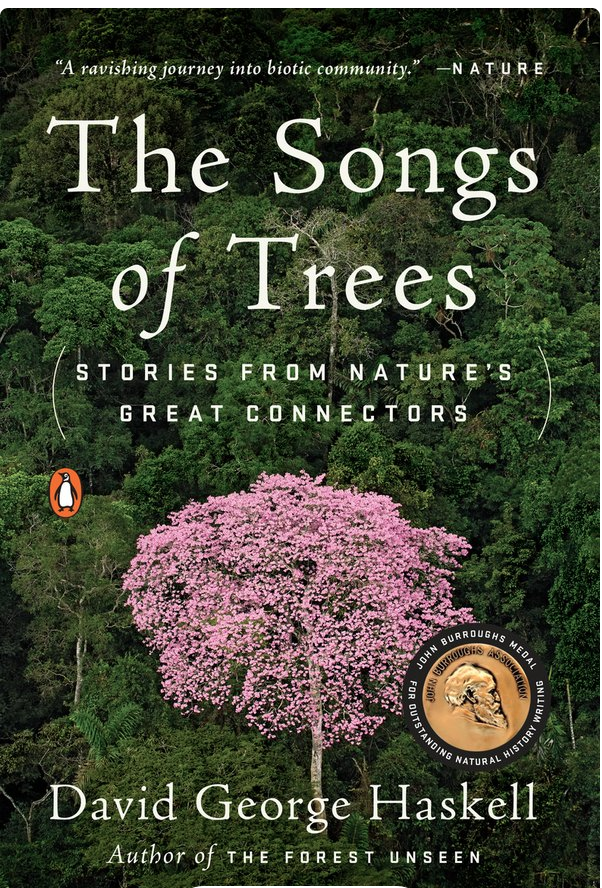
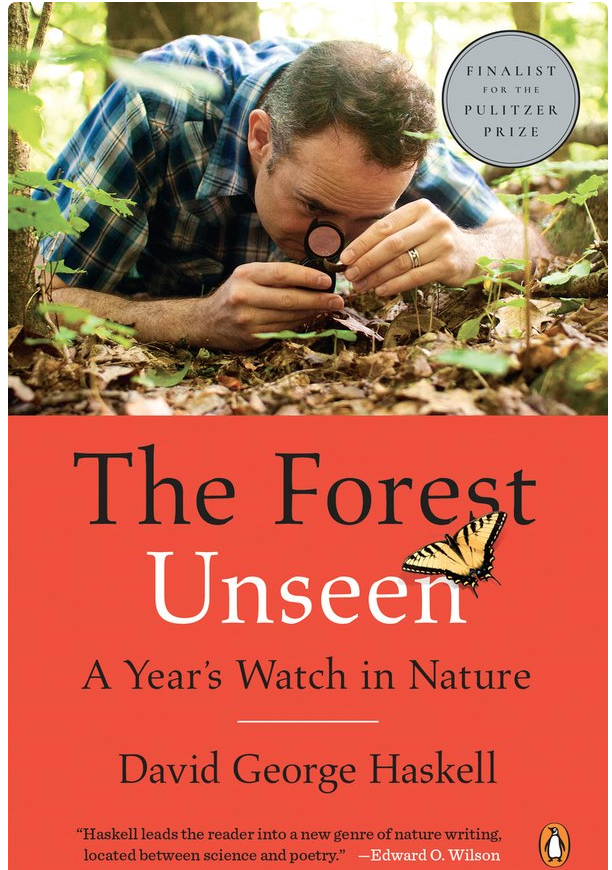
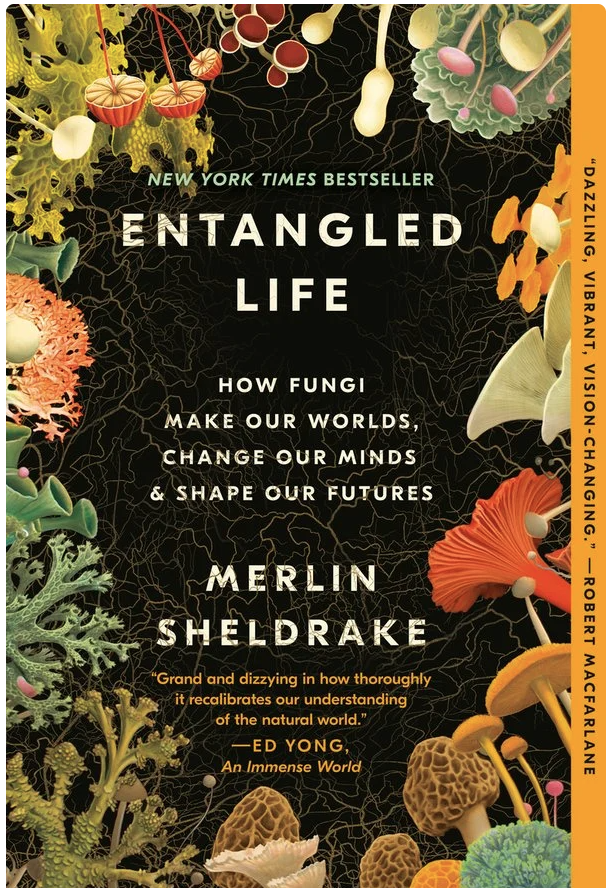
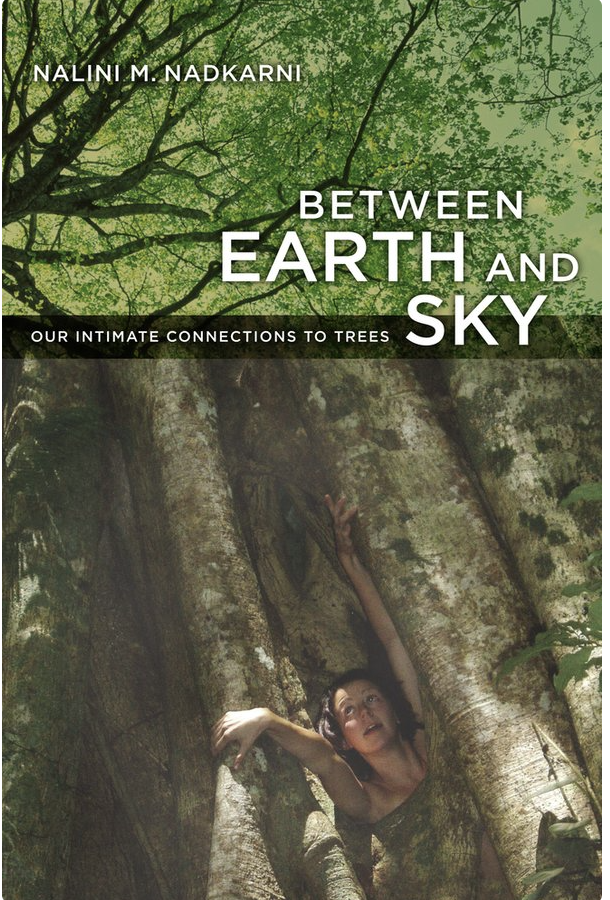
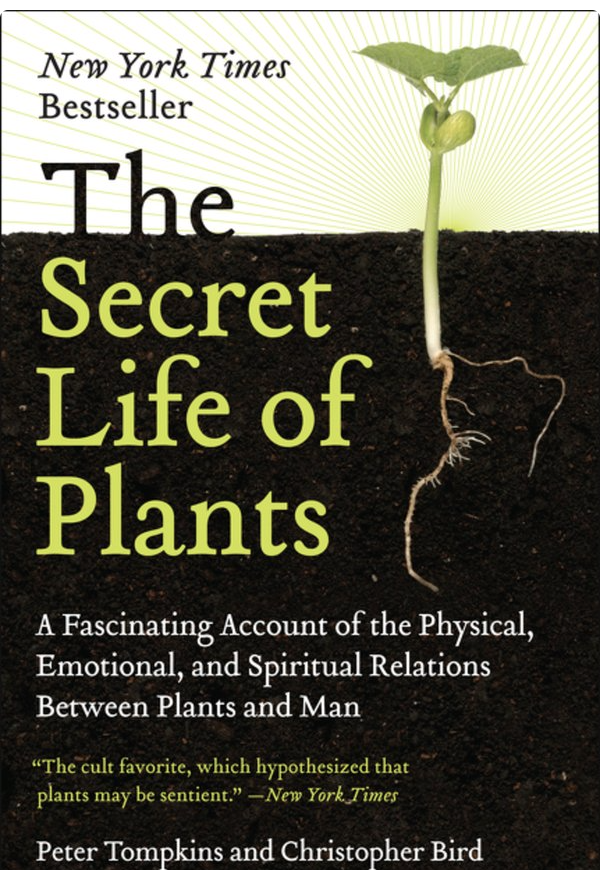
The Hidden Life of Trees (2020)
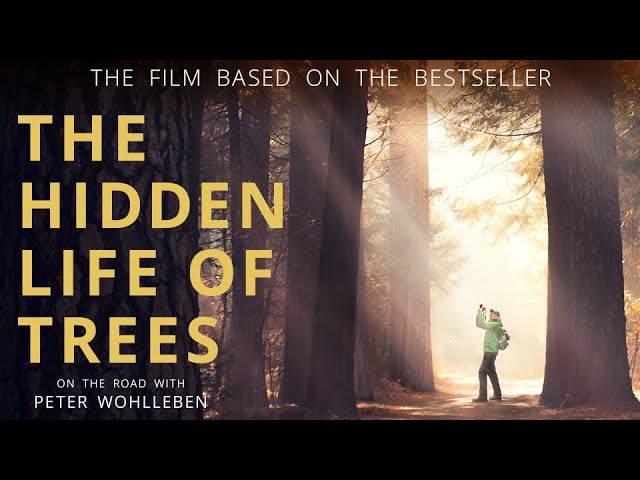
Based on a book by Peter Wohlleben, Jörg Adolph’s documentary shows time lapses of tree’s growth as their communicate with one another and the rest of the world, illustrating deep complexities.
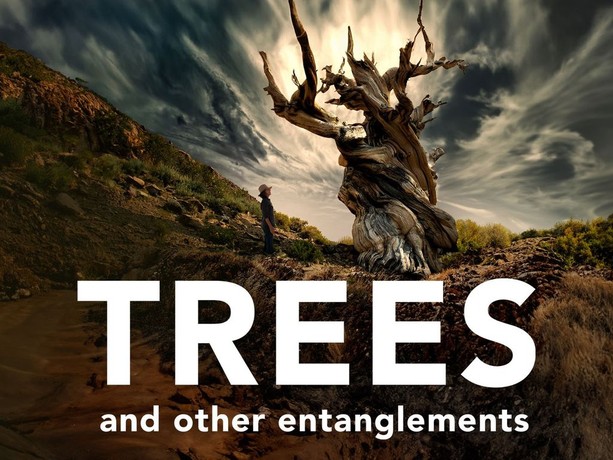
Trees, and Other Entanglements (2023)
This documentary, directed by Irene Taylor, explores human kinds’ connection to the natural world. Inspired by Richard Powers’ The Overstory (2019), displays the complicated interconnectedness of humans and trees.
Available on HBO Max
TED-Ed’s The Secret Language of Trees (2019)
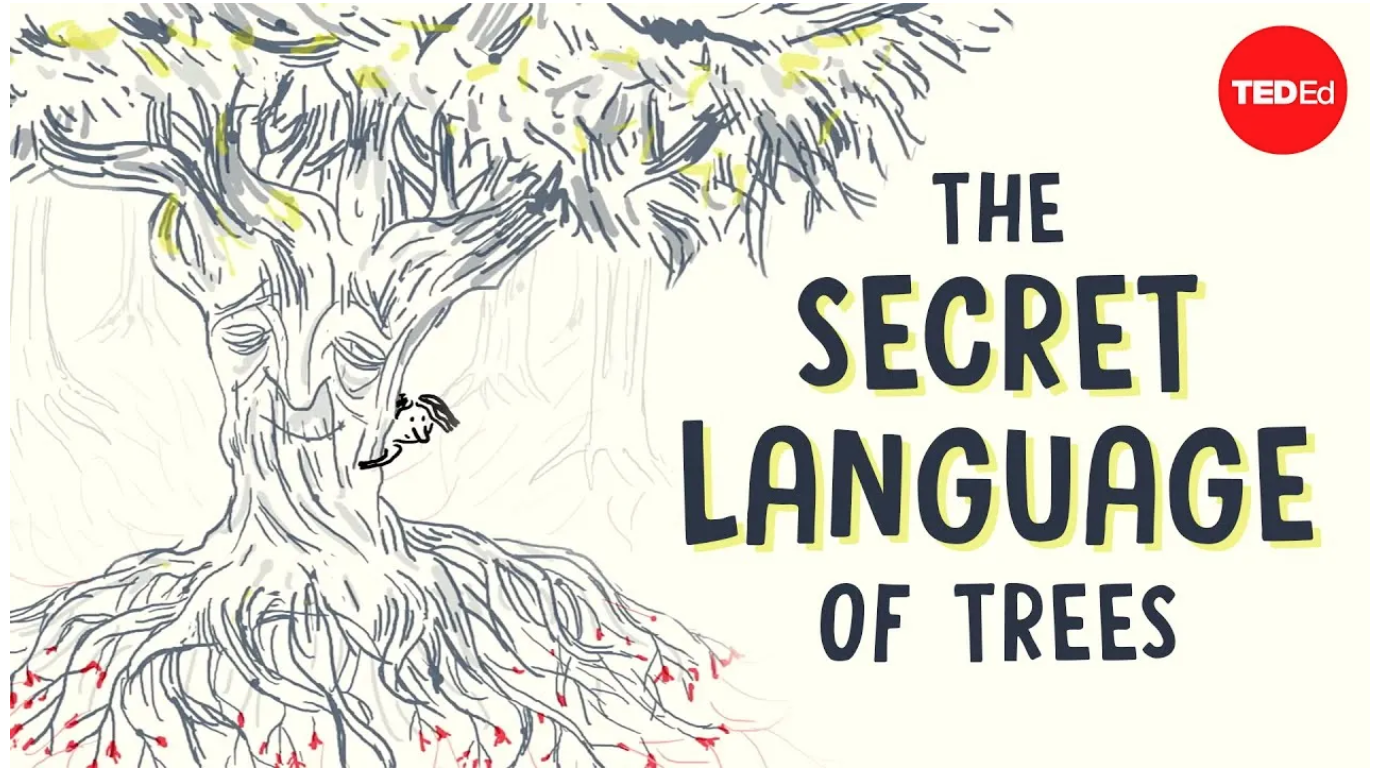
Presented by Camielle Defrenne and Suzanne Simard, this TED-Ed video uses digital drawings to depict how trees communicate with one another. They explain that this process is done through mycorrhizal networks, where multiple kinds of fungi at the end of the trees’ roots send warnings and resources to each other.